Thinking about painting or customizing a fire door? Learn what is allowed, what violates fire ratings, and how to stay compliant during inspections!
Fire doors are life-safety systems, not design features. While it’s understandable to want doors to match a building’s interior or branding, painting or customizing a fire door incorrectly can void its fire rating and create serious compliance issues.
During inspections, modified fire doors are one of the most common and costly violations found in commercial facilities. This guide explains what you can and cannot do when it comes to painting or customizing fire doors and how to stay compliant.
Fire Doors Are Tested and Rated as Complete Systems
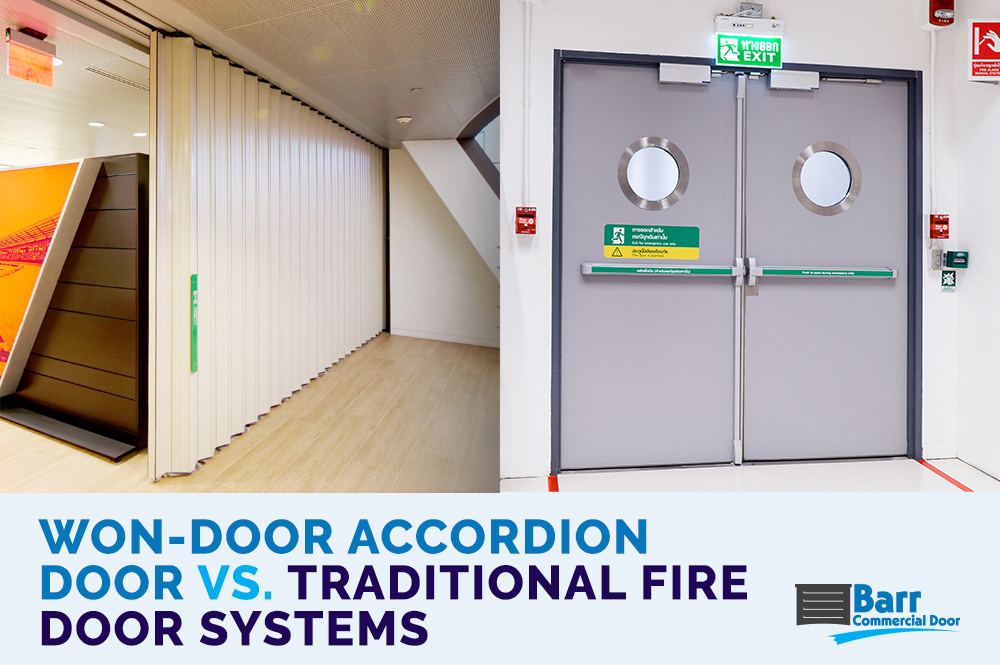
A fire door is not just a slab; it’s a tested and certified assembly. The door, frame, hardware, glazing, seals, and coatings are all evaluated together under fire-rating standards.
Any unauthorized modification can:
-
Void the door’s fire rating
-
Compromise smoke and flame resistance
-
Lead to failed inspections and citations
Why it matters: Once a fire rating is compromised, the door no longer provides the protection it was designed to deliver.
Painting a Fire Door Is Not Automatically Allowed
Painting a fire door is one of the most common customization requests, and also one of the most misunderstood.
In many cases, painting may be allowed only if:
-
The manufacturer specifically approves the paint type
-
The door label remains visible and legible
-
No fire-rated components are altered or covered
Using the wrong paint, applying excessive layers, or painting over labels, hinges, or seals can invalidate the rating.
Why it matters: Unapproved paint can change how a fire door performs under heat.
Fire Door Labels Must Always Remain Visible
Every rated fire door includes a certification label issued by the manufacturer or testing agency. Inspectors rely on this label to verify compliance.
Common violations include:
-
Painted-over labels
-
Removed or damaged labels
-
Labels covered by signage or decals
If the label is not readable, the door is often treated as non-compliant, regardless of how well it appears to function.
Why it matters: No visible label usually means no proof of fire rating.
Hardware and Accessories Cannot Be Changed Freely
Fire-rated hardware is part of the door’s tested assembly. Swapping components without approval is a frequent inspection failure.
Unauthorized changes often include:
-
Replacing hinges or closers
-
Adding unapproved locks or exit devices
-
Installing kick plates beyond allowed size limits
-
Modifying vision panels or glazing
Even minor hardware changes can compromise the door’s performance during a fire.
Why it matters: Fire doors fail inspections most often because of unauthorized hardware modifications.
Decorative or Branding Modifications Can Create Liability
Logos, wraps, decals, or aesthetic enhancements are sometimes added for branding purposes. While visually appealing, these modifications can interfere with fire performance if not approved.
Inspectors commonly flag:
-
Vinyl wraps that affect heat response
-
Decorative panels attached to the door surface
-
Adhesives that compromise intumescent materials
Why it matters: What looks like a small design choice can create serious compliance and liability issues.
Professional Fire Door Inspections Protect Compliance
Fire doors must be inspected and maintained according to code requirements. A professional fire door inspection identifies whether painting or customization has affected performance or certification.
Inspections often reveal:
-
Modified doors that no longer meet rating standards
-
Missing or altered components
-
Doors that require repair or replacement to restore compliance
Why it matters: Early detection prevents failed inspections, citations, and costly remediation.
Frequently Asked Questions (FAQs )
Can I paint a fire door to match my building interior?
Sometimes, but only if the manufacturer approves the paint type and the fire label remains visible and intact.
What happens if a fire door’s label is painted over?
If the label is unreadable, inspectors may consider the door non-compliant, even if it otherwise appears functional.
Are fire door modifications allowed without professional approval?
No. Fire door modifications should always be reviewed and performed by trained professionals to ensure safety and compliance.
Final Takeaway
Fire doors are engineered safety systems designed to protect lives and property. While limited customization may be possible, any modification must be manufacturer-approved and professionally verified.
Before painting or customizing a fire door, it’s critical to understand the risks and to work with experienced commercial door professionals who understand fire code compliance.